CAST & CREW
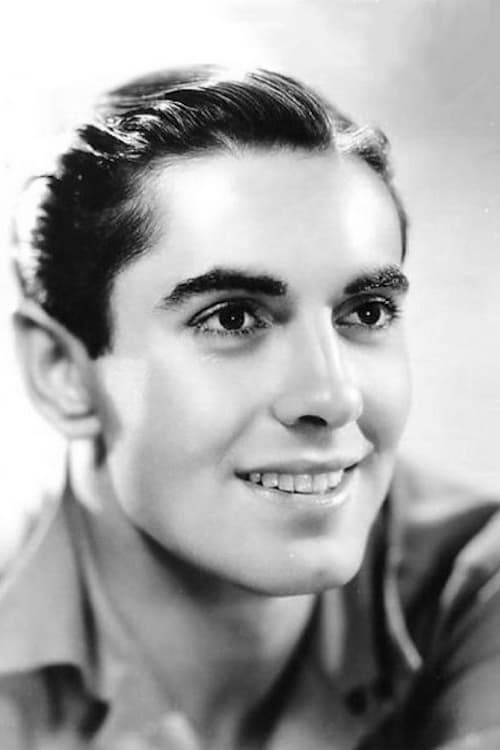
Tyrone Power
Tyrone Edmund Power, Jr., (also called Tyrone Power III; May 5, 1914 - November 15, 1958) was born at his mother's home of Cincinnati, Ohio, in 1914. One of the great romantic swashbuckling stars of the mid-twentieth century, and the third Tyrone Power of four in a famed acting dynasty reaching back to the eighteenth century. His great-grandfather was the first Tyrone Power (1795-1841), a famed Irish comedian. His father, known to historians as Tyrone Power Sr., but to his contemporaries as either Tyrone Power or Tyrone Power the Younger, was a huge star in the theater (and later in films) in both classical and modern roles. His mother, Patia Riaume (Mrs. Tyrone Power), was also a Shakespearean actress as well as a respected dramatic coach. A frail, sickly child, he was taken by his parents to the warmer climate of southern California. After his parents' divorce, he and his sister Anne Power returned to Cincinnati with their mother. There he attended school while developing an obsession with acting. Although raised by his mother, he corresponded with his father, who encouraged his acting dreams. He was a supernumerary in his father's stage production of 'The Merchant of Venice' in Chicago and held him as he died suddenly of a heart attack later that year. Startlingly handsome, young Tyrone nevertheless struggled to find work in Hollywood. He appeared in a few small roles, then went east to do stage work. A screen test led to a contract at 20th Century Fox in 1936, and he quickly progressed to leading roles. Within a year or so, he was one of Fox's leading stars, playing in contemporary and period pieces with ease. Most of his roles were colorful without being deep, and his swordplay was more praised than his wordplay. He served in the Marine Corps in World War II as a transport pilot, and he saw action in the Pacific Theater of operations. After the war, he got his best reviews for an atypical part as a downward-spiraling con-man in Nightmare Alley (1947). Although he remained a huge star, much of his postwar work was unremarkable. He continued to do notable stage work and also began producing films. Following a fine performance in Billy Wilder's Witness for the Prosecution (1957), Power began production on Solomon and Sheba (1959). Halfway through shooting, he collapsed during a dueling scene with George Sanders, and he died of a heart attack before reaching a hospital.
FILMOGRAPHY
Popular movies and shows
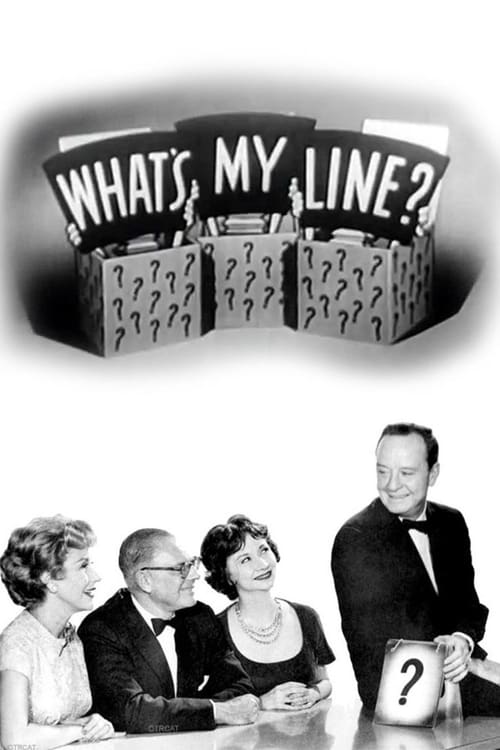 What's My Line?Self
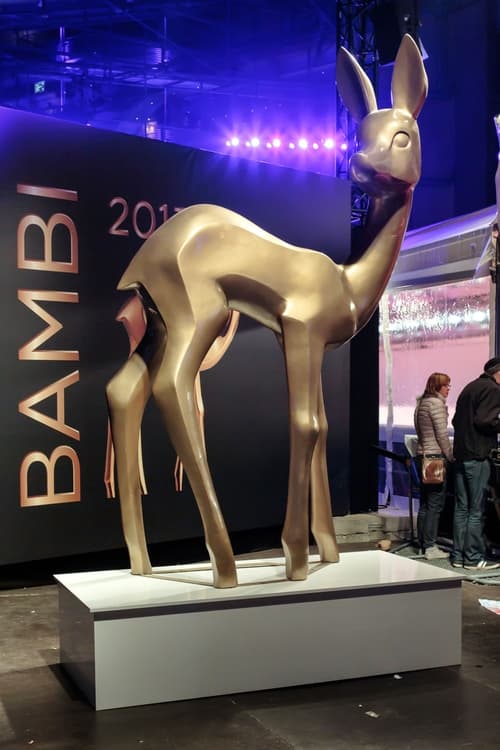 BambiSelf (archive footage)
 The Ed Sullivan ShowSelf
 The OscarsSelf
 CinépanoramaSelf
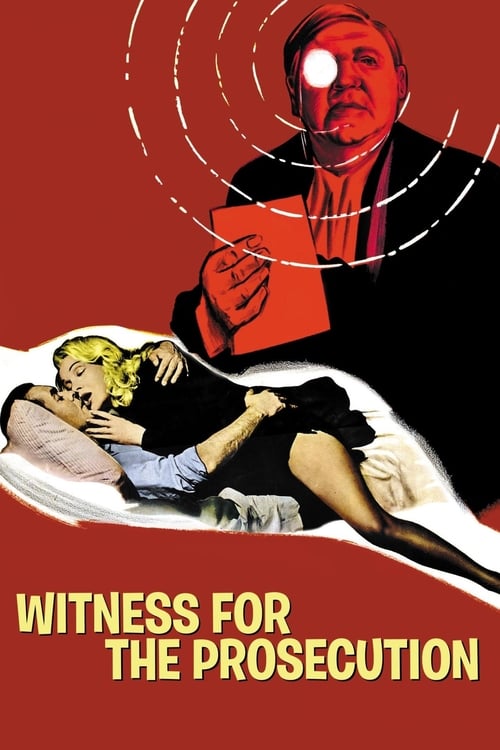 Witness for the ProsecutionLeonard Vole
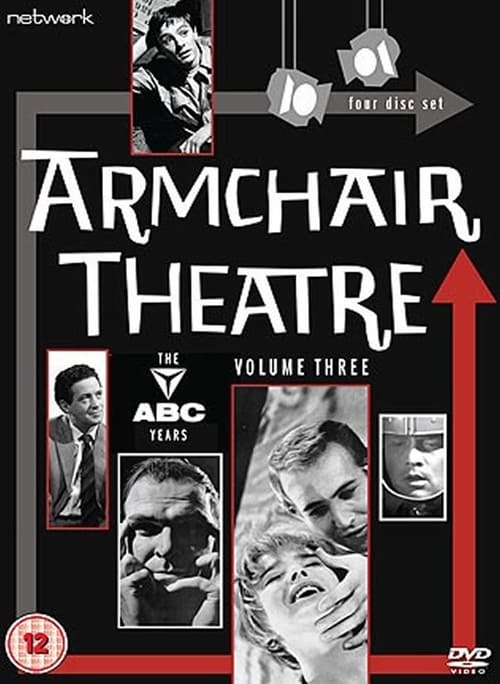 Armchair TheatreJean
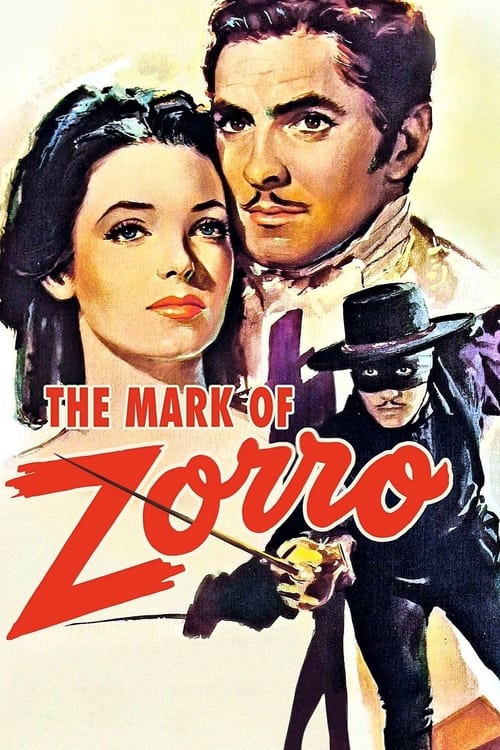 The Mark of ZorroDon Diego Vega, aka Zorro
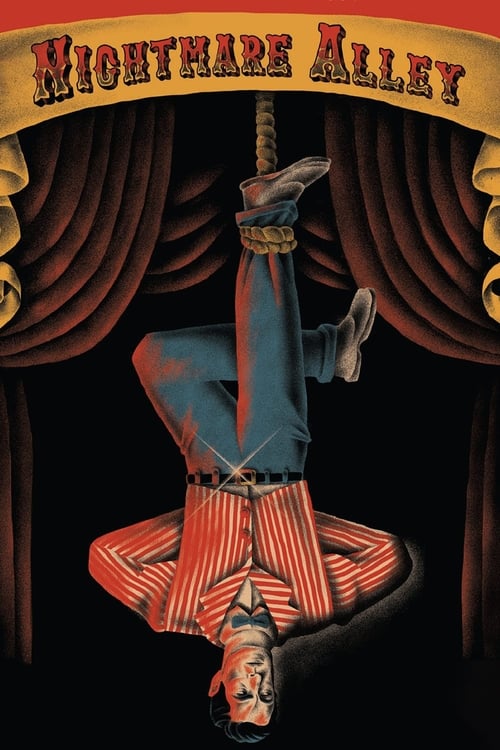 Nightmare AlleyStanton 'Stan' Carlisle
 Jesse JamesJesse Woodson James
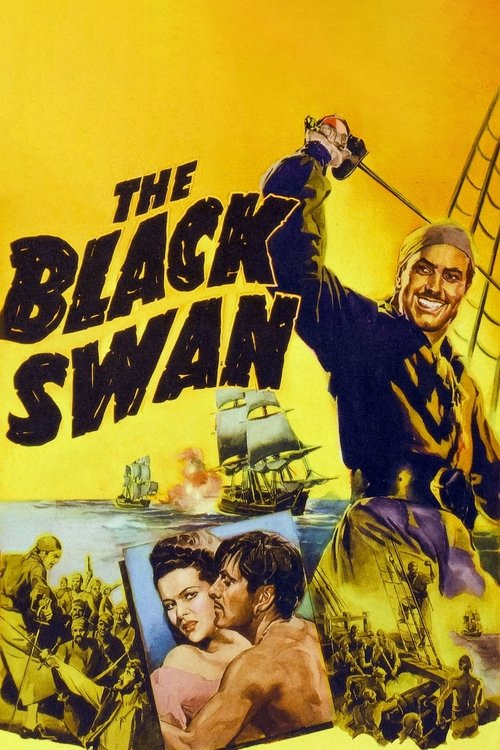 The Black SwanJamie Waring
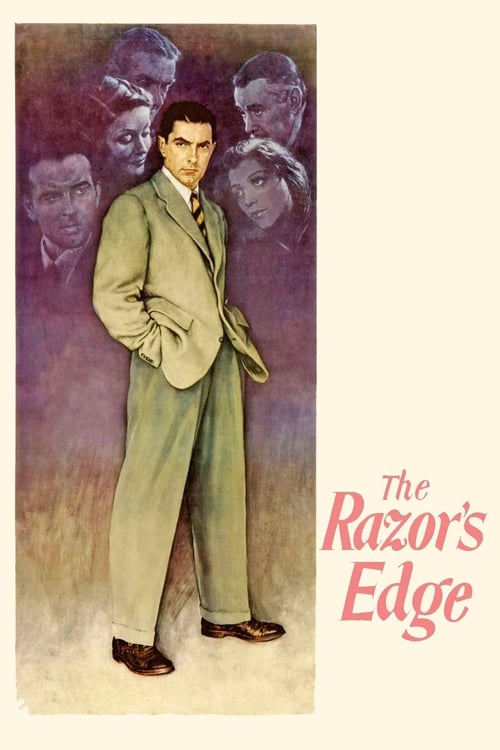 The Razor's EdgeLarry Darrell
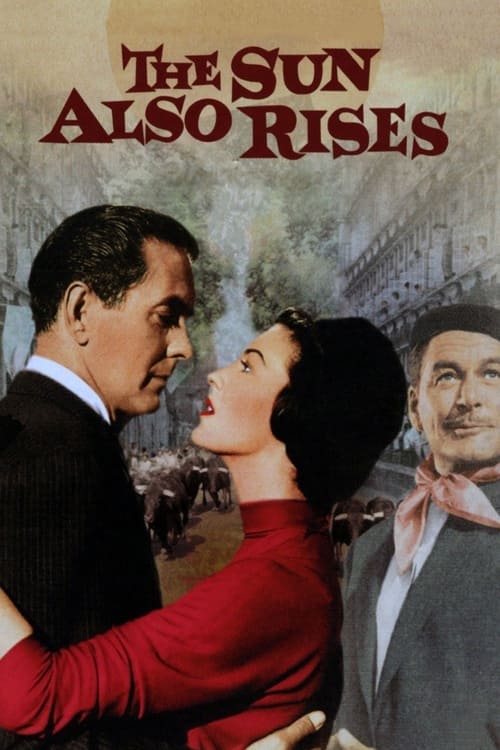 The Sun Also RisesJake Barnes
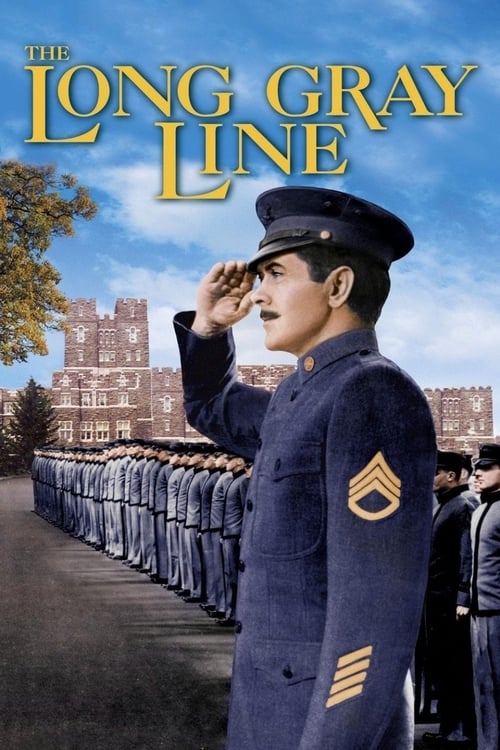 The Long Gray LineMartin Maher
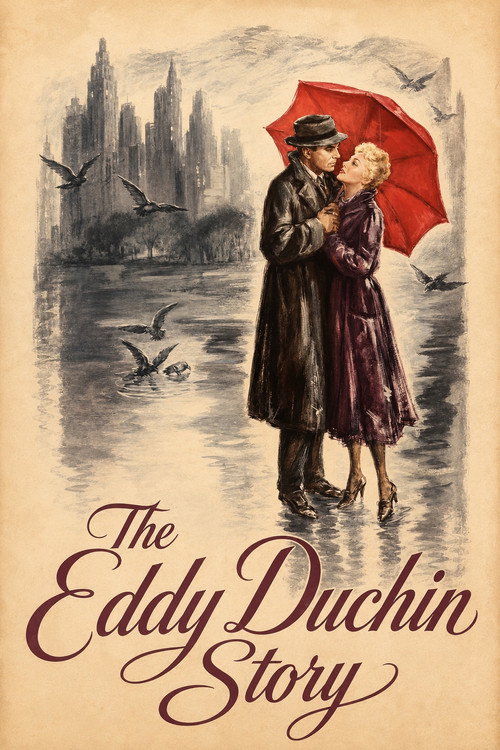 The Eddy Duchin StoryEddy Duchin
 Marie AntoinetteCount Axel de Fersen
 Death In HollywoodSelf (archive footage)
 Brother, Can You Spare a Dime?Self (archive footage)
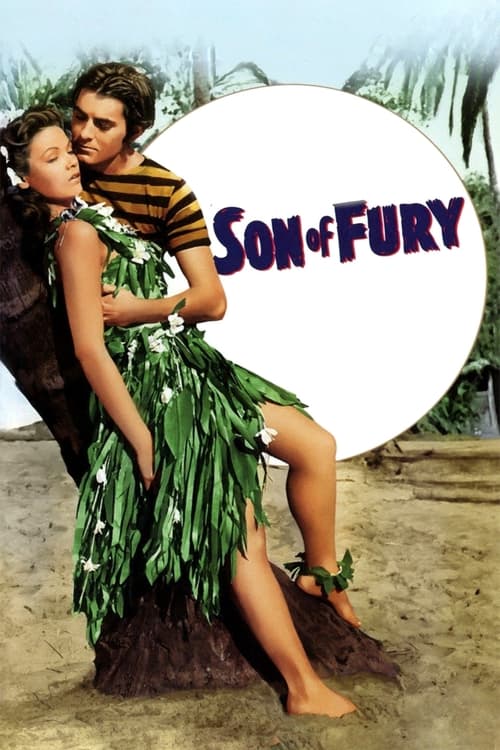 Son of Fury: The Story of Benjamin BlakeBenjamin Blake
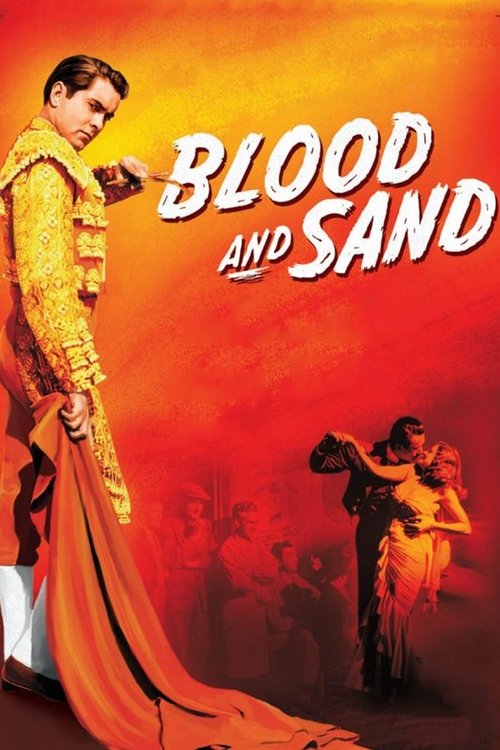 Blood and SandJuan
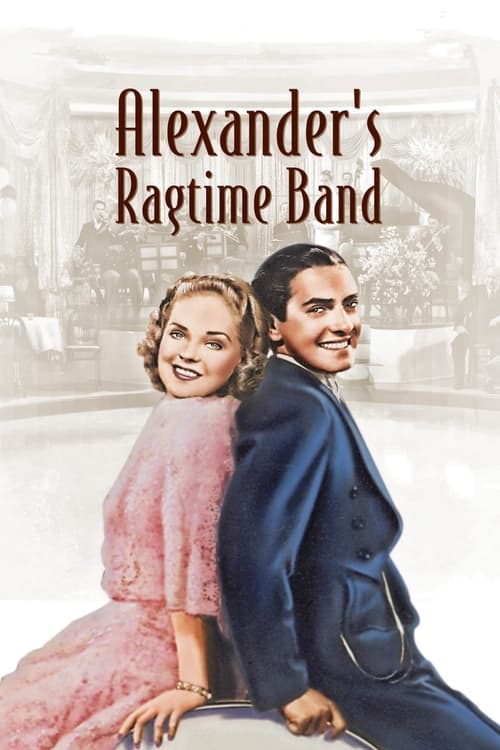 Alexander's Ragtime BandAlexander - Roger Grant
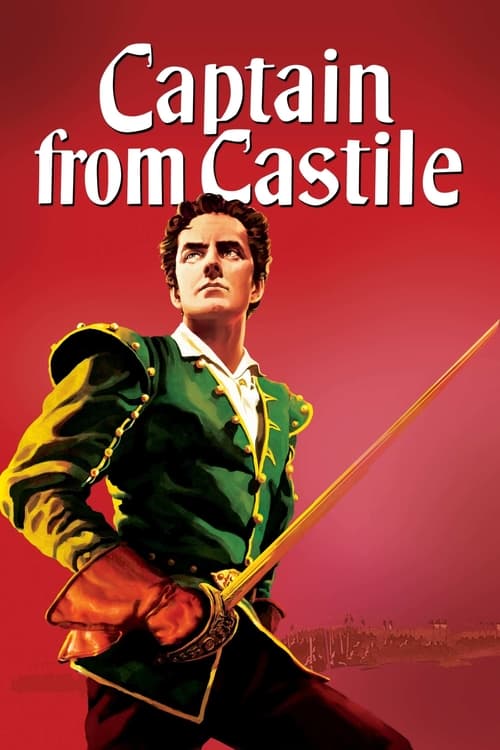 Captain from CastilePedro De Vargas
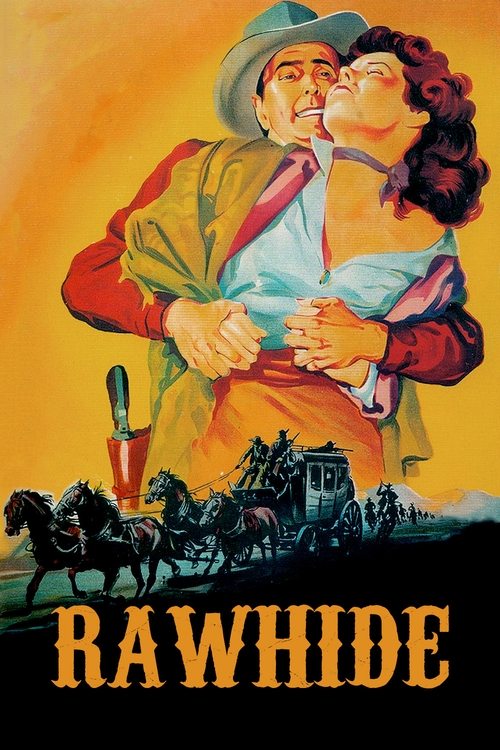 RawhideTom Owens
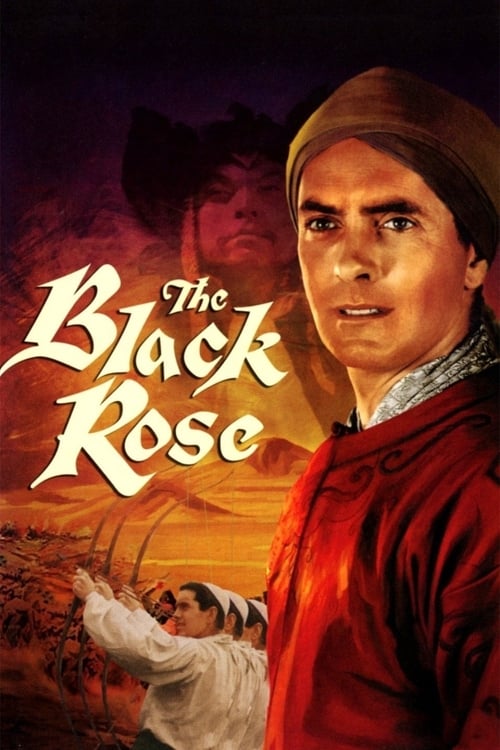 The Black RoseWalter of Gurnie
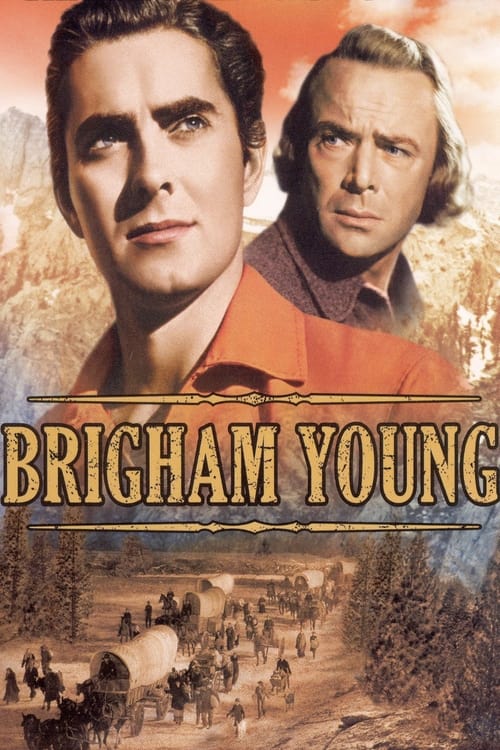 Brigham YoungJonathan Kent
 Prince of FoxesAndrea Orsini
 This Above AllClive Briggs
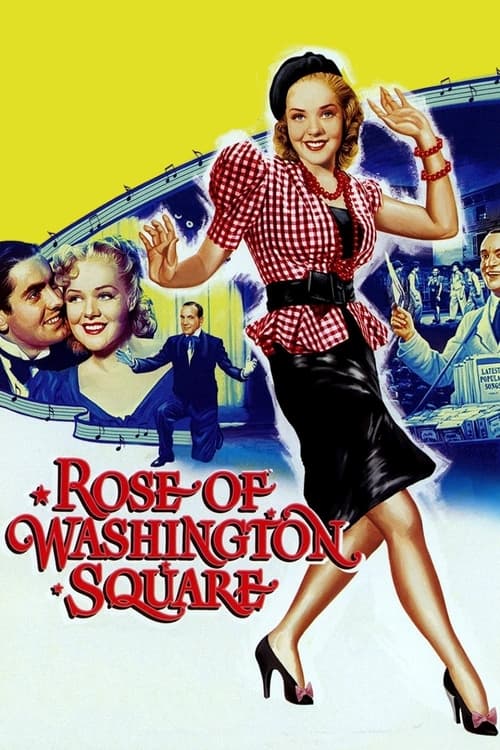 Rose of Washington SquareBart Clinton
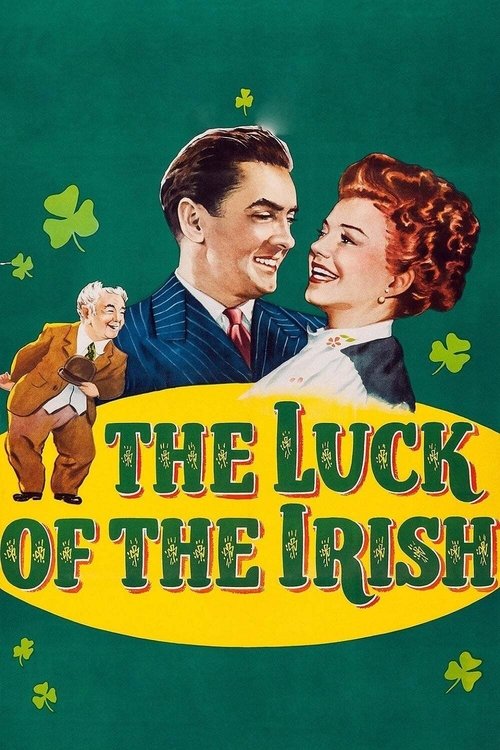 The Luck of the IrishStephen Fitzgerald
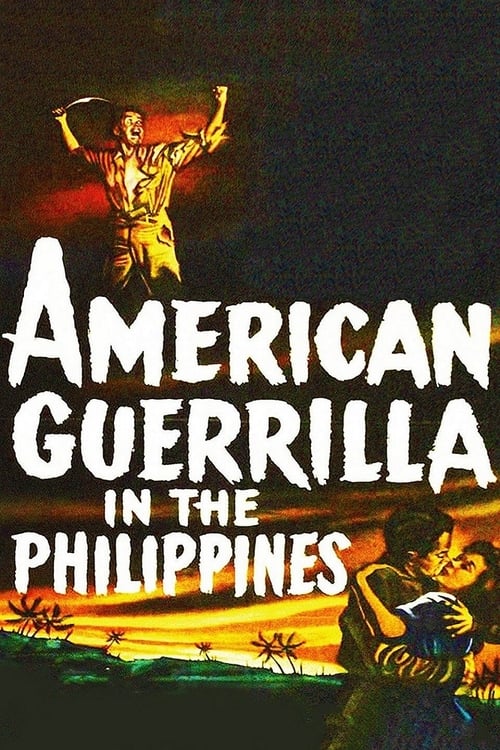 American Guerrilla in the PhilippinesEnsign Chuck Palmer